![econlifelogotrademarkedwebsitelogo[1]](/wp-content/uploads/2024/05/econlifelogotrademarkedwebsitelogo1.png#100878)

December 2, 2025
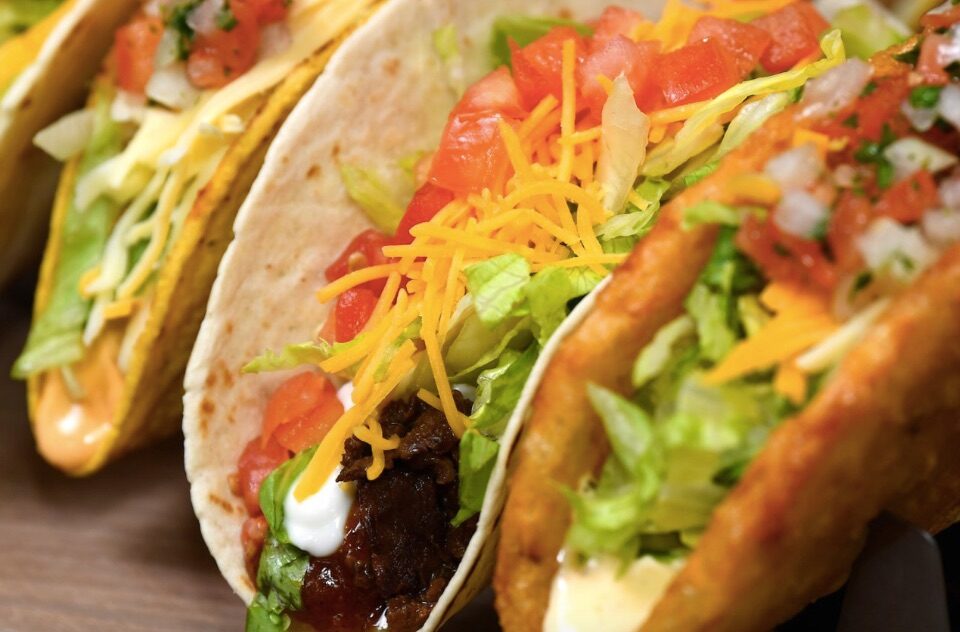
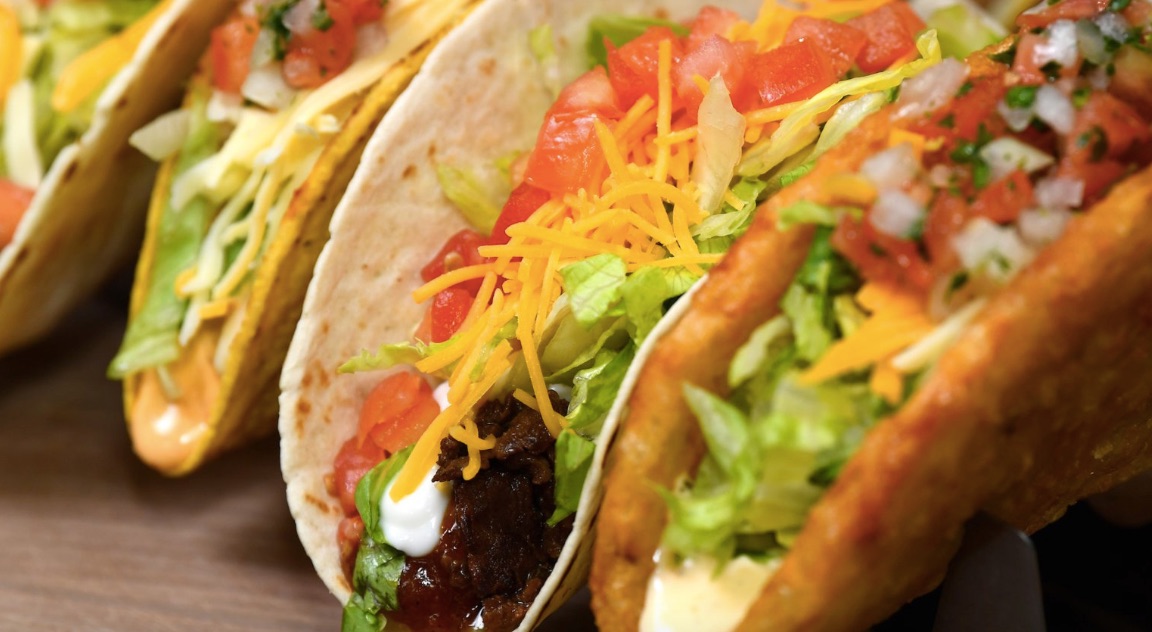
The "grueling" rules for the Taco Bell ultramarathan race remind us of all of how goals create our cost benefit tradeoffs.
The "grueling" rules for the Taco Bell ultramarathan race remind us of all of how goals create our cost benefit tradeoffs.
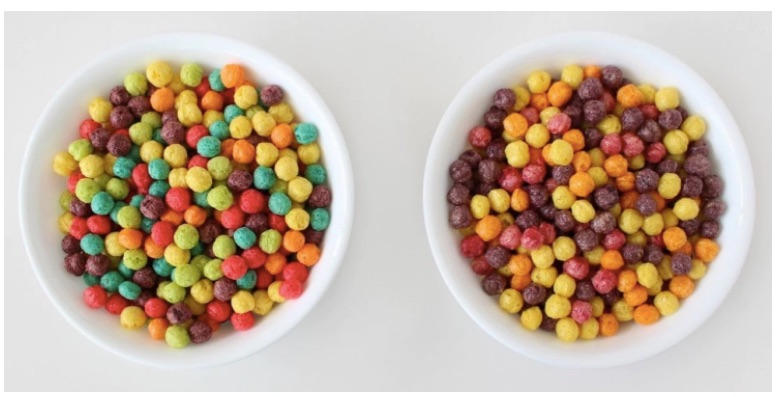
Thinking of tradeoffs, we can see why manufacturers have delayed eliminating artificial dyes from their foods and drinks.
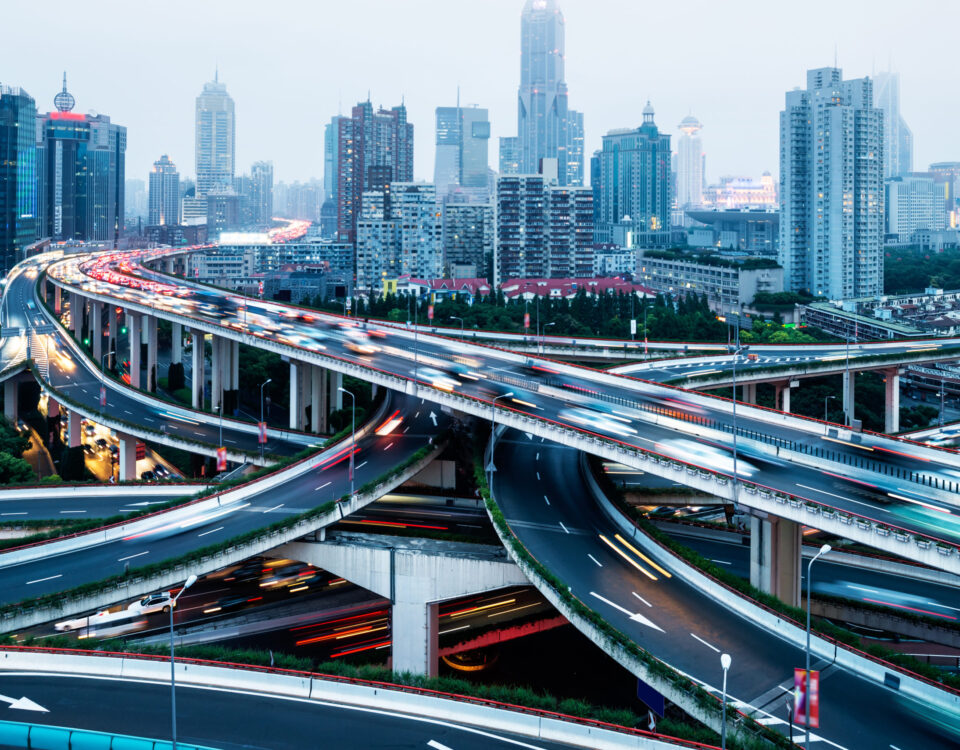
Looking at cost and benefit in 316 urban areas, a recent study from the University of Pennsylvania suggests that rather than taking city streets for granted, we should ponder the alternatives.
While we associate money with most job negotiations, sometimes we create contractual surprises that are non-financial.
While California's minimum wage update takes us to new data, it does not end the debate on the impact of increasing the minimum wage.
With COP28 having begun, we can ask if the delegates are comparing marginal decisions about the cost of climate policy to its benefits.
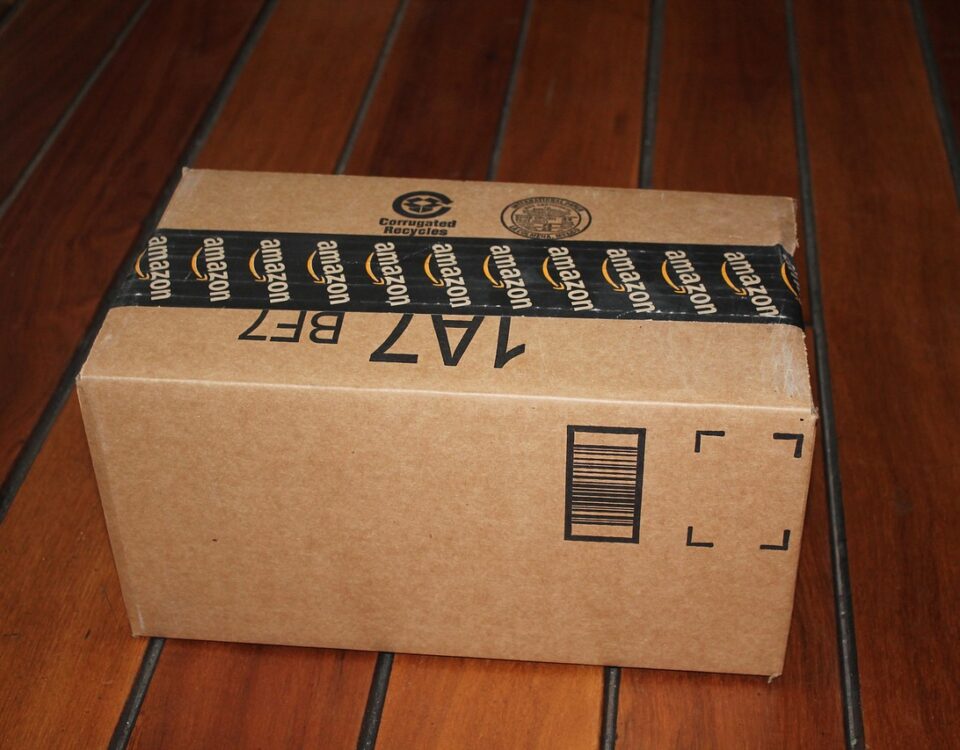
Responding to the incentives created by online retailers, serial returners create a cost for themselves and suppliers.
Making decisions about the future, sometimes our sunk costs--the irrecoverable time and money we invested in the past--distorts our logic.
Looking at New York City beyond, we can use a slew of economic ideas to explain the insufficient supply of public bathrooms.
Sometimes compared to hurricanes, victory celebrations and blackouts, the pandemic birth rate also responded to a catastrophe.
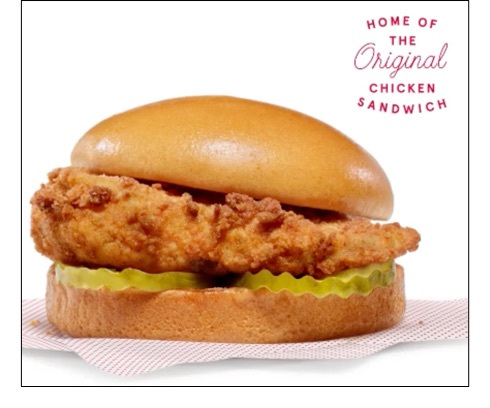
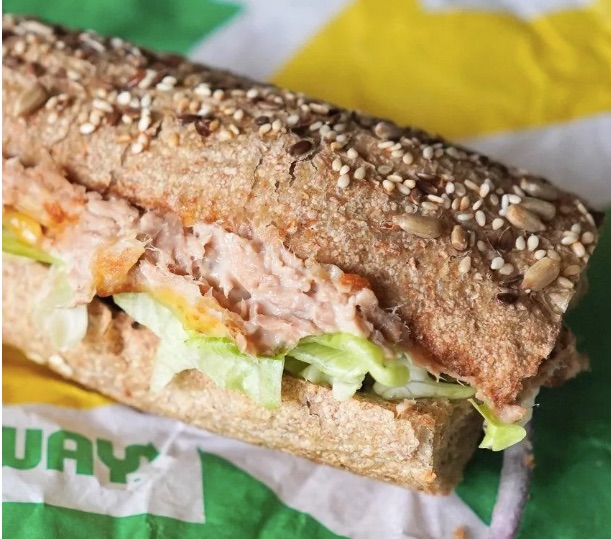
For its chicken, tuna, bread, and footlong, Subway has been in court defending the sandwich names that some say are misleading.
Staying at home during the pandemic, we have shifted our impulse buying from the supermarket to our online shopping cart.