![econlifelogotrademarkedwebsitelogo[1]](/wp-content/uploads/2024/05/econlifelogotrademarkedwebsitelogo1.png#100878)

April 26, 2026

Looking at hospitals and patients, we can see why healthcare costs are higher in the United States than in our peer nations.
Looking at hospitals and patients, we can see why healthcare costs are higher in the United States than in our peer nations.
Whether looking at cell phones or cars, we see "less friction" when we have a common charger that diminishes clutter, inefficiency, and cost.
As more nations experiment with central bank digital currencies, we could see less cash, fewer banks, and maybe some unintended consequences.
Staying at home during the pandemic, we have shifted our impulse buying from the supermarket to our online shopping cart.
By suspending the SAT and ACT, Ivy League colleges diminished transaction costs and made it easier to apply.
Our story starts in 1926, the year the SAT was born. Designed to measure aptitude, it was supposed to let colleges assess applicants who did not […]
GameStop describes itself as a chain of 5,000+ stores that sells video games and entertainment products at malls and online. Rather than a retailer, though, GameStop […]
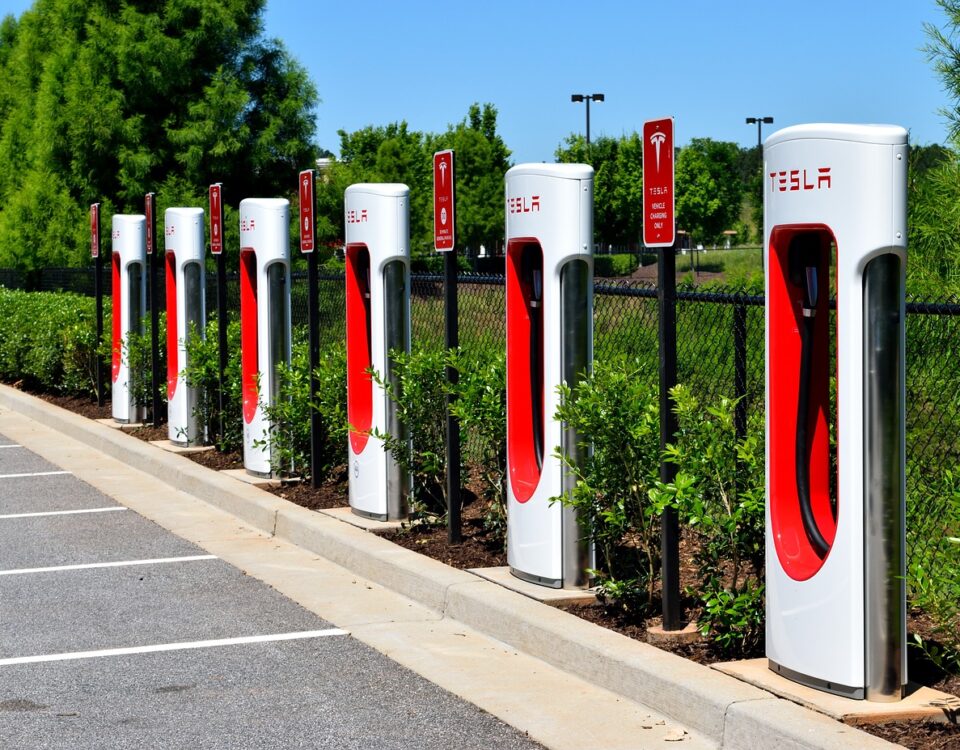
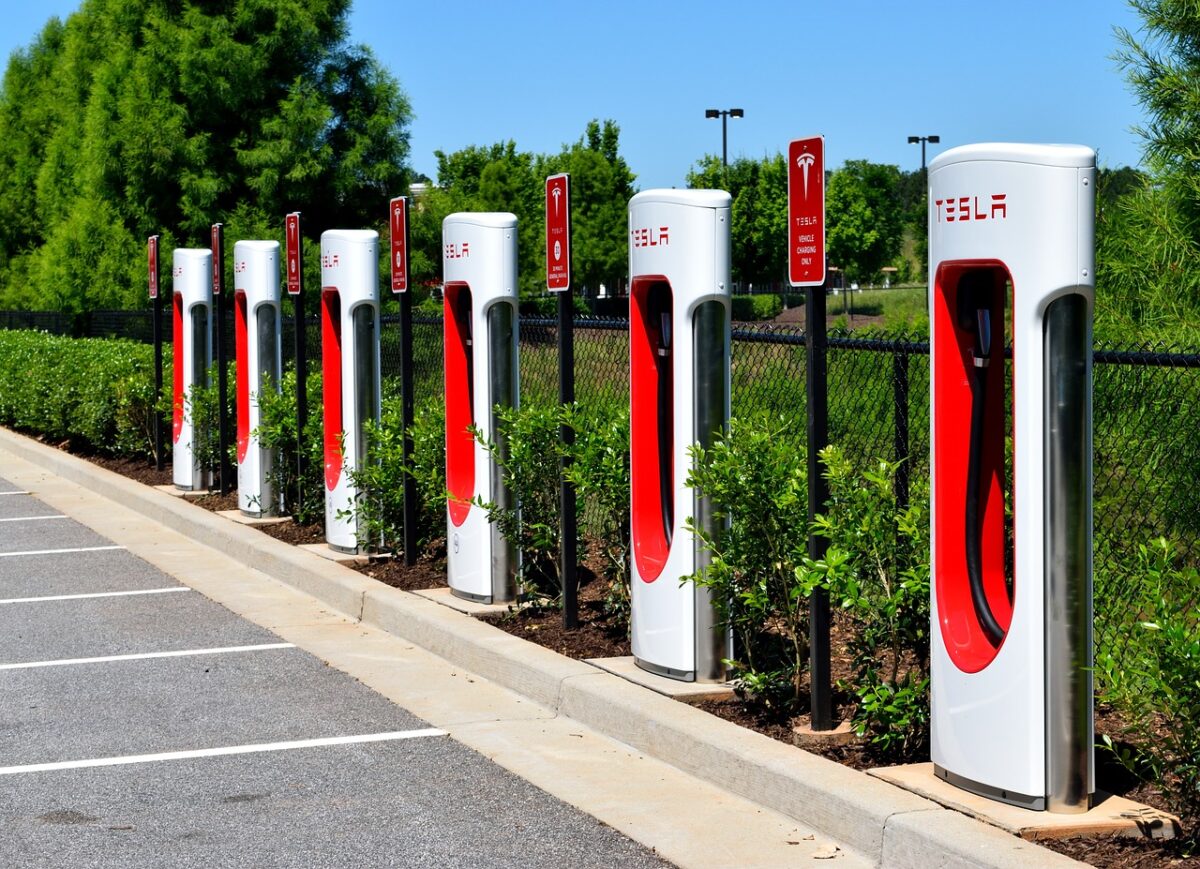
At 114 per 100,000 people, Vermont had the highest per capita concentration of EV chargers (plugs, not necessarily charging stations) in the U.S. Below, Washington D.C. […]
Pondering how to keep our New Year's resolutions, we can look at the staircase in a Seattle office building.
If the European Union mandates common charger standardization, consumers might applaud but Apple says there is a hidden downside.
Thinking about changing habits that are good and bad, we can look at what researchers discovered during a popcorn experiment.