Subscribe to our RSS feed
EconLife.com connects economics to everyday life, current events and history.

Tag Archives: housing market

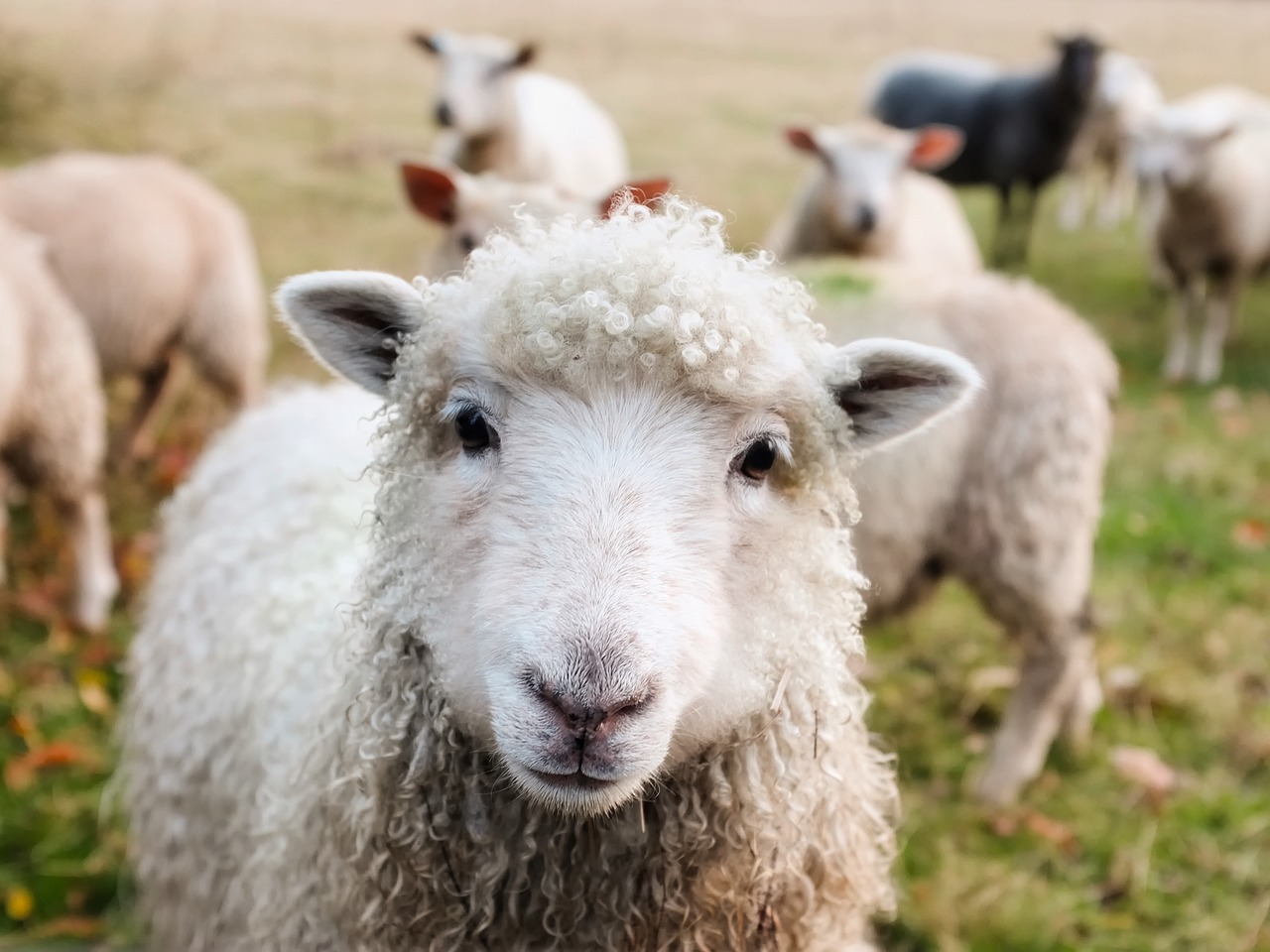
16889_sheep

By Mira Korber, guest blogger.

Just the other day, I walked outside to find all six of my horses facing the exact same direction, muscles tensed, ears pricked, nostrils flared…Clearly their horsey intuition was picking up on some obscure, equine-eating bogeyman undoubtedly lurking just on the other side of the pasture fence.

I’ve seen it more times than not. One horse is startled, the others follow suit. Pretty soon, you have a stampeding herd of animals feeding off the fear of one.

So what does this have to do with economics, anyway? It turns out that people aren’t so different from our four-legged friends.

The very same behavior can describe the housing bubble at the heart of the most recent economic crisis. Prominent economist Robert Schiller discusses how the influence of the herd contributed to the real-estate bubble’s burst.

Here’s the Scenario: Jack decided a truly low value house was a good investment because he individually misinterpreted its market value. So he decided to buy the house. Jill sees the transaction. She then assumes that buying a house is a good idea just because Jack did, not realizing that Jack overvalued his new home.

And the cycle continues. The rational expectations hypothesis — that people make decisions considering all known economic conditions — has instead given way to irrational exuberance.

Herd behavior could also factor in to the euro-zone crisis and Greece. According to The Economist, Europeans want to avoid making any decisions that might lead to a mass (herd-mentality) panic. Widespread concern abounds that if the recent debt swap deals fall through, the euro-zone would be at risk for collapse.

In these two situations, you can see how an optimistic or pessimistic groupthink mentality affects mass behavior. In the housing situation, blind confidence in the upward surging (and likewise imaginary) home values ultimately lead to disaster. In Greece, private creditors and legislators alike are tiptoeing around negative expectations to avoid financial ruin.

The Economic Lesson

Herd behavior leads to what is known as information cascades. Such cascades are behavioral imitation of a certain activity, whether it be buying a home, selling stocks, or even choosing a restaurant for dinner. In other words, people base their decisions on the judgments of others, and mimicry ensues. This shows how we often turn to our social instincts in times of economic uncertainty.

For a comical take on the behavior, check out this video of a herd of horses. Then, look at this satire of humans exhibiting herd mentality.

An Economic Question: When and where have you experienced herd behavior? Have you ever decided to do something just because a friend or neighbor has? 

Posted by: adminEcon
Tags: , , , , , , ,
Comments (0) Add a Comment

15901_9.22_000011470702XSmall

Thomas Jefferson and President Obama had similar concerns about financial speculators. In 1790, Thomas Jefferson opposed funding the domestic part of the Revolutionary War debt if the financial speculators who bought bonds at a depressed price would benefit. Instead Jefferson hoped that the original buyers of the bonds would get some money even if they no longer owned them. Fast forward to this week’s town hall meeting. Referring to the depressed housing market, President Obama said, “And we think it’s very important that speculators…that they’re not getting help.”

The similarity between Jefferson and Obama? Both wanted to be sure that when government acted, speculators would not profit.

Alexander Hamilton’s response to Jefferson also relates to today. Hamilton believed that whoever legally purchased the Revolutionary War bonds, legally owned them, and could legally profit from them. He was not concerned with speculators.

The Economic Lesson

Many call the U.S economy a market system but a mixed economy would be more accurate. Together, the market system and the government guide economic activity. We could say that we have a continuum with government at one end and the market at the other. Since 1790, we have moved to the left and right along that continuum, continually debating the role of government.


Posted by: adminEcon
Tags: , , , , , ,
Comments (0) Add a Comment