![econlifelogotrademarkedwebsitelogo[1]](/wp-content/uploads/2024/05/econlifelogotrademarkedwebsitelogo1.png#100878)

May 6, 2026
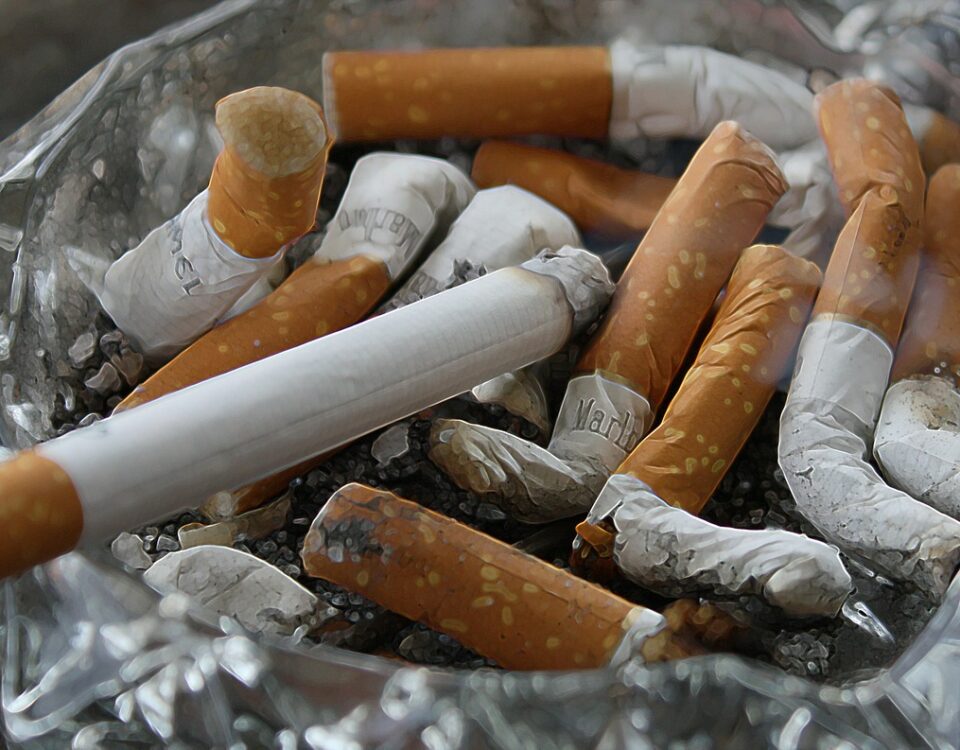
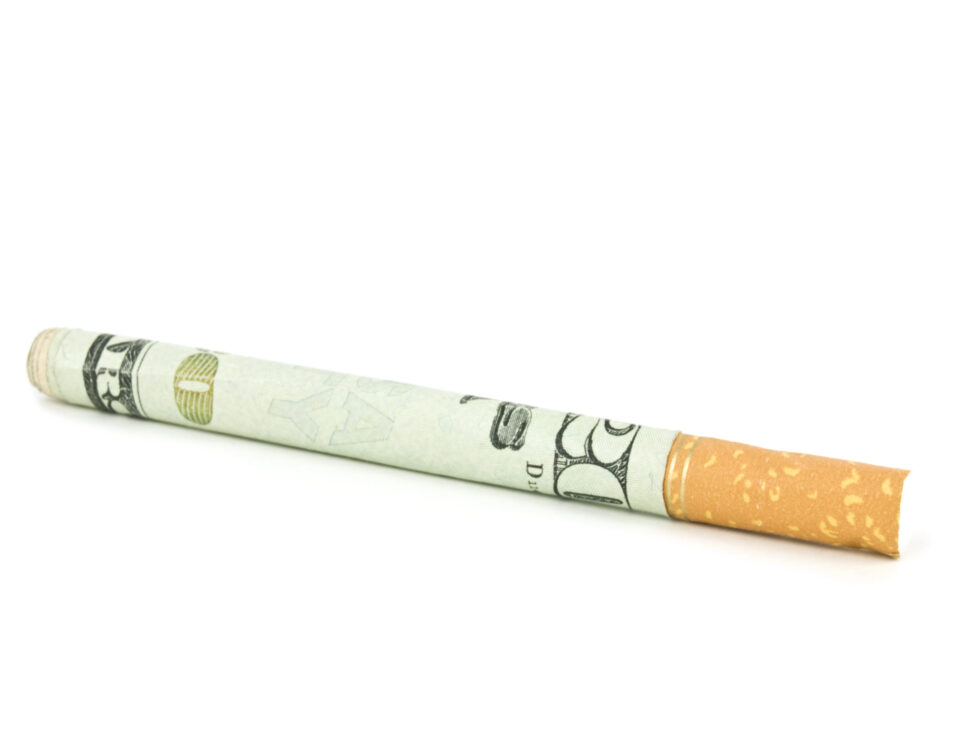
While a tobacco tax can be an ideal source of revenue, policy makers need to know how to set the ideal rate.
While a tobacco tax can be an ideal source of revenue, policy makers need to know how to set the ideal rate.
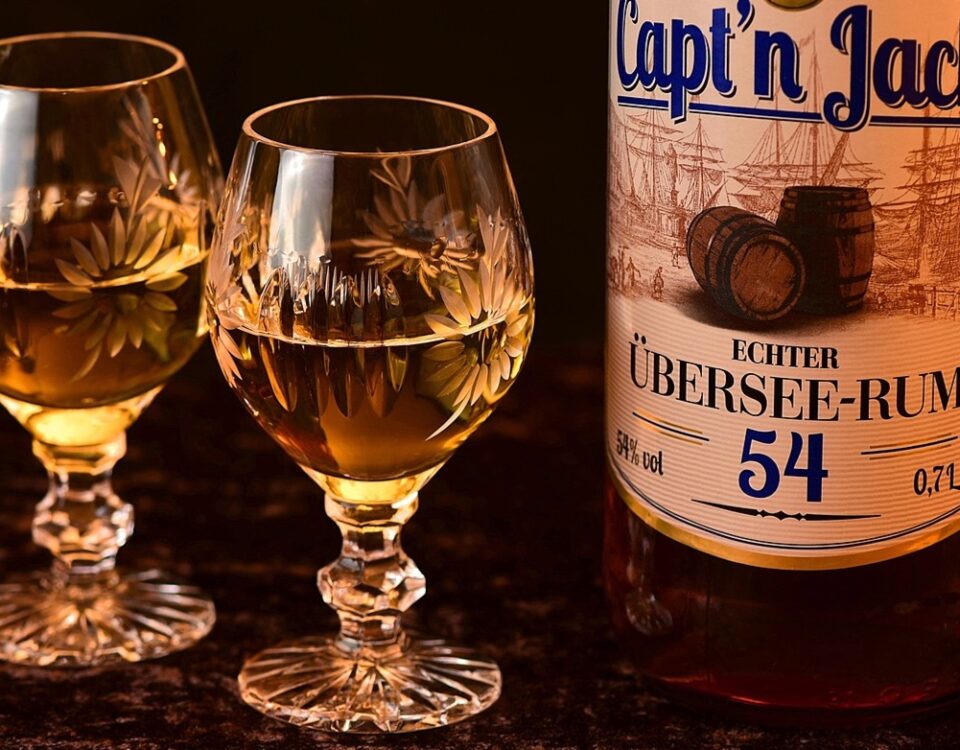
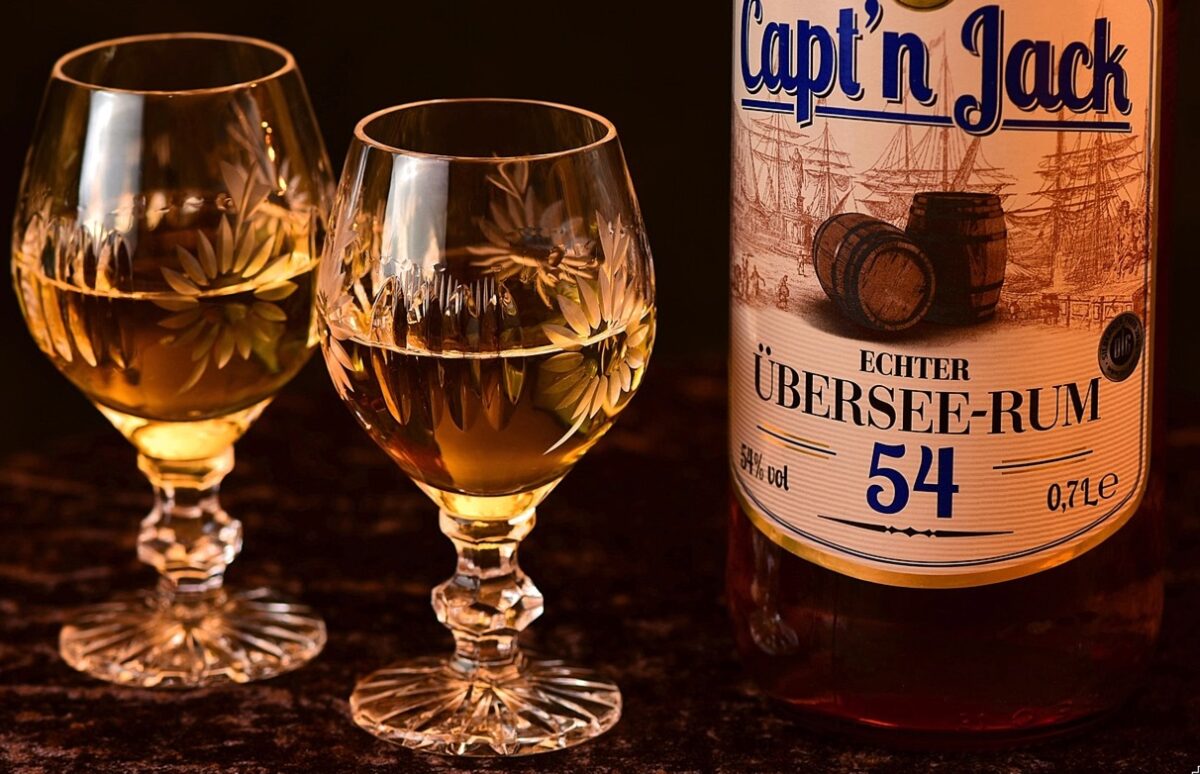
When the U.S. Congress decided to give Puerto Rico some alcohol taxes from its rum exports, the results were unexpected.
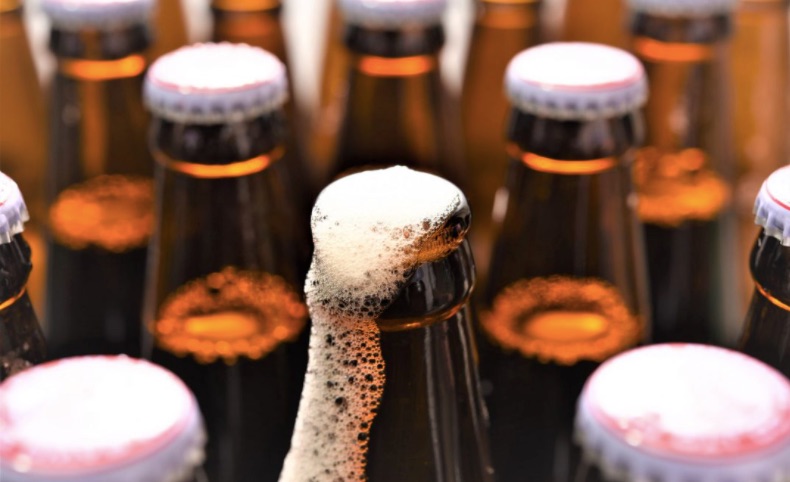
Hoping either to improve our health or elevate revenue, governments levy sin taxes on items like beer with results that economists debate.
With their U.S. roots in a 1790s Whiskey Rebellion, sin taxes vary when looking at current consumption and their state revenue.
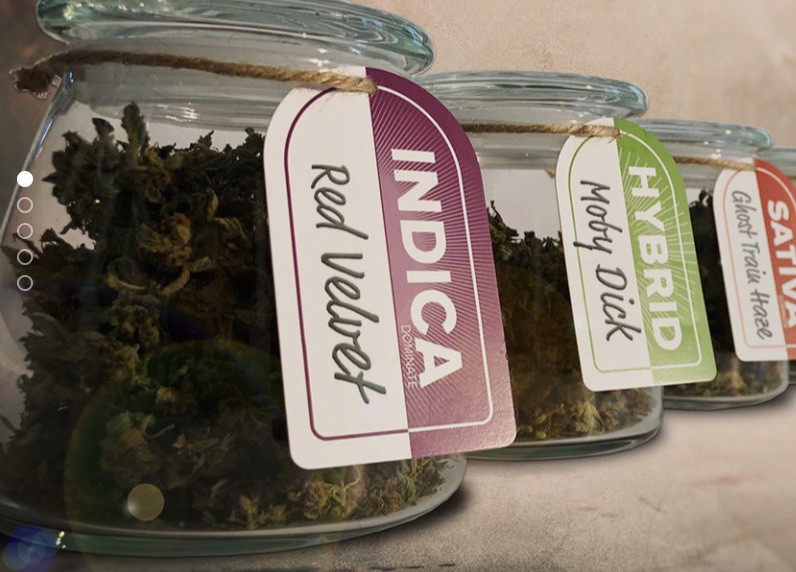
While states find it's tough to predict marijuana tax revenue, they can assume that higher rates will nudge consumers toward black markets.
Involving us individually and as a community, sugary drink taxes create nudges that result in a long list of costs and benefits.
Looking at the Philadelphia sugary drinks tax, we would find it did not accomplish many of its goals in three major categories.
Like all sin taxes, the Philadelphia sugary drinks tax has had an unpredictable impact on revenue and the alternatives that people select.
Our everyday economics includes developing nations, human capital, environment, behavioral economics, consumer spending, health care,incentives & sin taxes.
Deciding whether they want revenue, prohibition or smuggling, lawmakers have to decide how high to make sin taxes on items like cigarettes.
To avoid inelastic demand, a sugary drink tax would need to increase price substantially. Current taxes that average less than 5% have little impact.
For 350 years, the Russian government has optimized the money it gets from vodka sales by creating a monopoly that takes advantage of inelastic demand.