Subscribe to our RSS feed
EconLife.com connects economics to everyday life, current events and history.

Tag Archives: singapore

Singapore's Expensive VW Passats

When a country’s economy is ranked the 2nd freest in the world, how do they manage auto congestion and pollution?

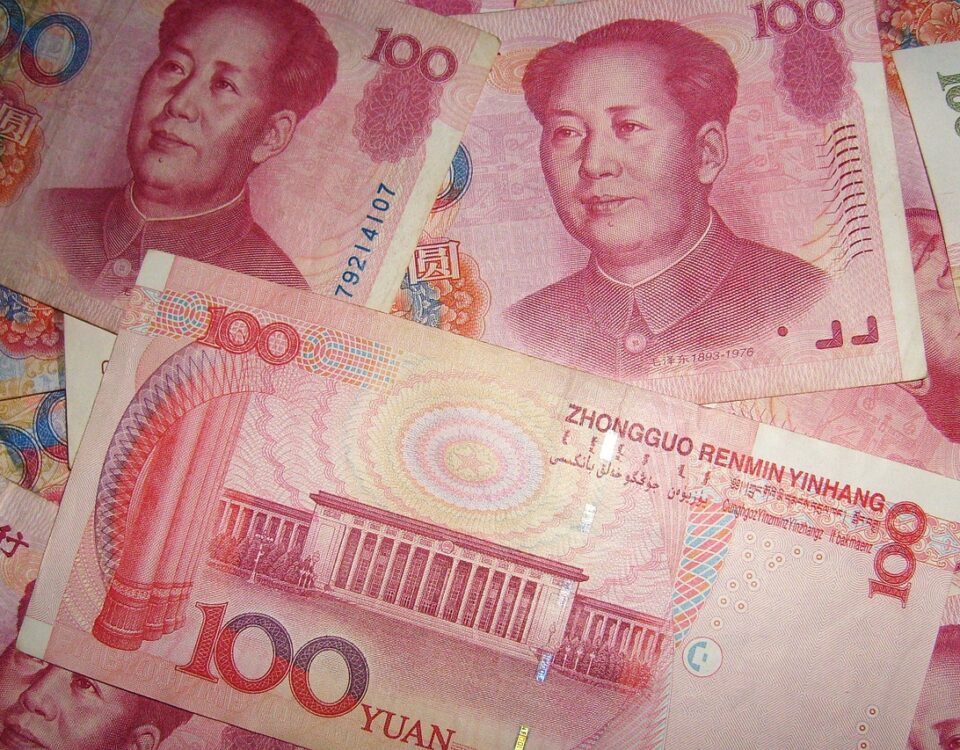
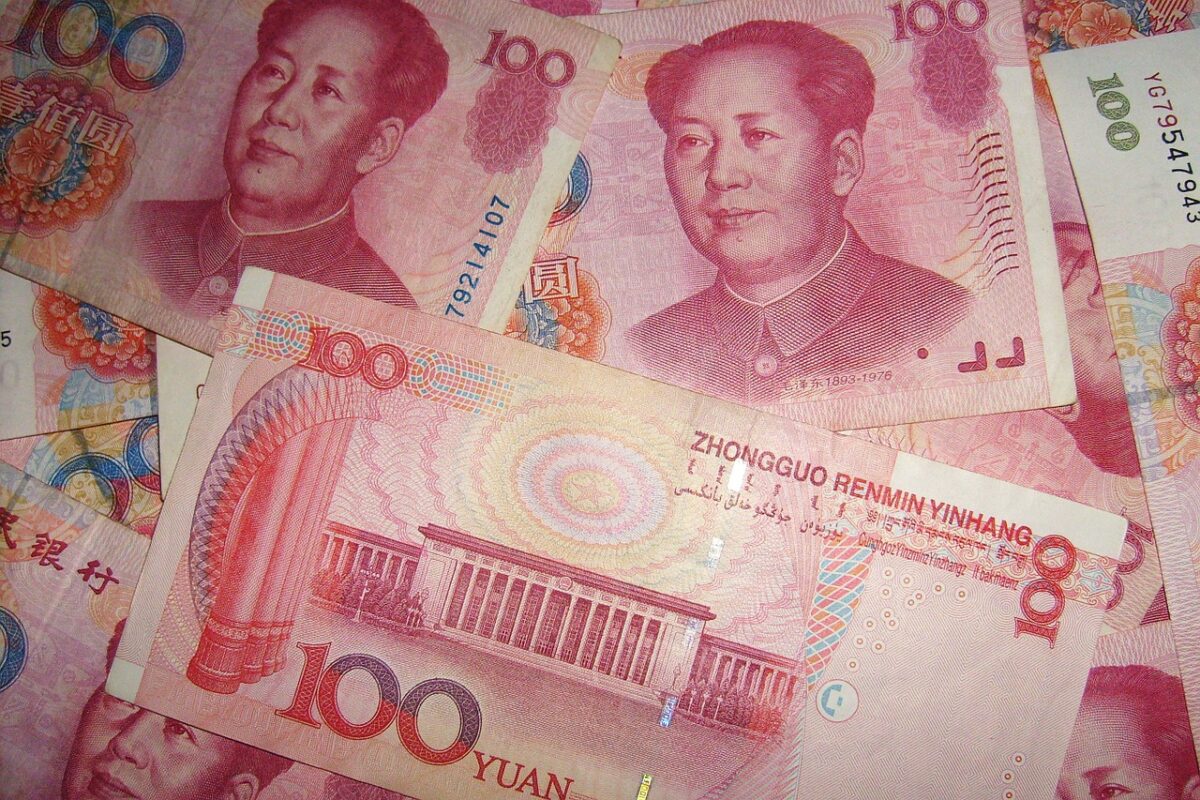
By auctioning a limited number of vehicle permits, Singapore makes owning a car very expensive. A VW Passat in Singapore could cost as much as the median price of a house in a US metropolitan area ($158,100).

The reason is demand and supply. On the demand side, there are lots of millionaires (17% of all households), unemployment is low, job security is high and businesses will make interest free car loans to employees. On the supply side, permits are limited. As a result, according to auction information on Bloomberg, the vehicle permit alone could cost you S$89,990 ($73,332.52).

In other words, Singapore creates a market in vehicle permits to control traffic congestion and auto pollution.

Sources and Resources: My thanks to marginalrevolution.com for the Singapore story and Bloomberg for the details. Also, here, Bloomberg reports the most recent price of the permit and here is the (astronomical) price of a VW Passat. Finally, to see why Singapore is categorized as a free economy when its political system is much more restrictive, you can look at the Singapore link in the Index of Economic Freedom.

Posted by: adminEcon
Tags: , , , , , , , , , , , ,
Comments (0) Add a Comment

Santa hat isolated on white

By Mira Korber, guest blogger.

Imagine Coca-Cola for a moment. Polar Bears, Santa Claus, a time when soda still came in refillable glass bottles…perhaps, for the health-conscious, high fructose corn syrup? And if you live in Singapore, you might even think of a “Hug Me” Coke vending machine.

As part of Coke’s new marketing campaign, it overnight-installed a unique vending machine at the University of Singapore. It gladly dispenses Coca-Cola — but only after the “customer” hugs the machine in a specific way does the drink pop out.  Therefore, Coke has sympathized with (and definitely capitalized on) Singaporean youth and its growing propensity towards public displays of affection, which have been traditionally repressed in Asia. Fuzzy feelings + soda = positive and pleasurable psychological association between the two…well, that’s Coke’s hope for future sales, anyway.

Engaging customers through the “Hug Me” machine is a perfect example of  Coke’s static advertising strategy morphing into interactive cultural experience. And this speaks volumes about a new marketing strategy; two fascinating videos the company produced explain a new “liquid linked” advertising plan and how consumers will largely shape how the Coca-Cola brand evolves. Traditional 30-second TV adverts are phasing out. Social collaboration with customers is moving in.

In the 1930s, the company invented the now iconic image of Santa Claus as rotund, bearded, jolly, and sporting a red and white suit. (Incidentally, he was chugging red-and-white clad soda bottles in every ad.) Now, Coke isn’t presenting its consumers with cheery content, but seeking their help, or hugs, to revamp its image.

The Bottom Line? Through unconventional marketing, such as the “Hug Me” machine or Coke “Happiness” truck and vending machines, Coca-Cola subliminally sparks positive feelings towards its product. By shifting its focus to popular culture infiltration and stimulation of “happy” feelings, Coke has linked a positive consumer reaction with its beverage.

Notes: The “Hug Me” Machine in action. How hugs are “gesture-based” marketing. A failed marketing trope. Coke’s sales are indeed up. Coke’s advertising strategy through the years – interesting.

Posted by: adminEcon
Tags: , , , , , , , , , , , , ,
Comments (0) Add a Comment